Biology carries half the marks in NEET: 90 of the 180 questions, or 360 of the 720 marks. Almost all of them are built on the NCERT Class 11 and 12 textbooks. Many questions lift a sentence, a diagram label or a table entry almost word for word. So the question is not whether to read NCERT, but how to read it well enough that you recognise any line when you see it in the exam.
Read every chapter in three passes
Pass 1: understand. Read the chapter like a story. Do not highlight anything yet. Make sure you understand the process: how the nephron filters blood, or why the light reaction must come before the Calvin cycle. If you cannot explain it in your own words, read it again or ask your teacher.
Pass 2: mark. Now read with a pencil. Underline:
- Numbers and quantities (chromosome numbers, enzyme optimum pH, the number of ATP produced).
- Examples (the example given for every type of adaptation, every plant family, every disease).
- Exceptions ("all ... except ..."). These are favourite question material.
- Definitions in bold.
Pass 3: test. Close the book and answer questions from that chapter, then open the book to check every answer, right or wrong.
Do not skip the "small print"
Students lose easy marks because they skim the parts that look unimportant. Read these carefully:
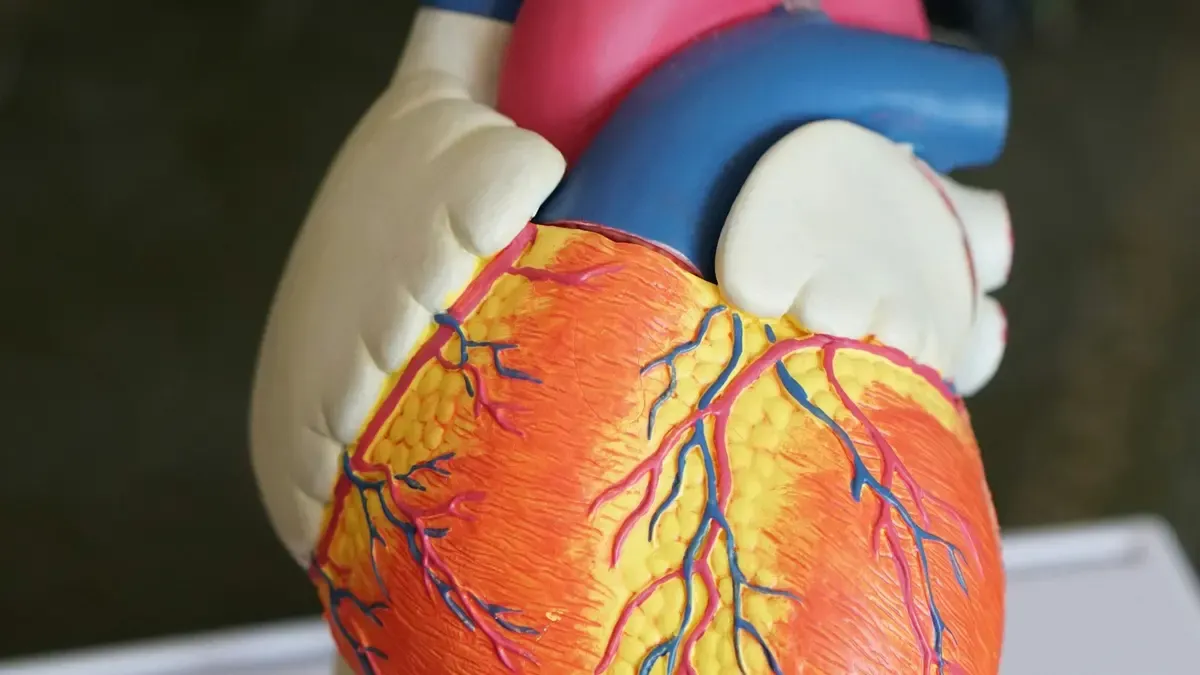
- Diagrams and their labels. Practise drawing the important ones: the structure of the heart, the nephron, a dicot embryo sac, the human eye, the male and female reproductive systems.
- Tables. Tables of hormones, digestive enzymes, plant families and disease-causing organisms produce several questions every year.
- Figure captions and boxed text. They often contain facts that are not repeated in the main text.
- Summaries at the end of each chapter. Use them as a quick check of the main ideas.
Make your own short notes
After the third pass, write one or two pages of notes for each chapter: only the facts you keep forgetting. These notes are what you revise in the final month, not the whole textbook again. Flowcharts work better than paragraphs for processes like the Krebs cycle or the menstrual cycle.
Practise with assertion-reason and statement questions
NEET increasingly asks questions in formats that test exact understanding: "Statement I and Statement II", "Assertion and Reason", and match-the-column questions. They punish half-remembered facts. After every chapter, practise at least 30 such questions, and for every wrong answer find the NCERT line that would have given you the answer.
A weekly rhythm that works
- Monday to Friday: one chapter in three passes (larger chapters take two days).
- Saturday: a test on the week's chapters.
- Sunday: revise the short notes of every chapter finished so far.
Revision on a fixed day is what makes the facts stay. Our article on active recall and spaced revision explains why.
What about reference books?
Use them for practice questions, not as a replacement for NCERT. If a reference book says something that is not in NCERT, the NCERT version is the one to remember for NEET.
Our NEET program runs chapter-wise NCERT tests every week, with doubt sessions for Biology, Physics and Chemistry. Ask us about the next batch.